
Pollinator Pathways: Promoting Healthy Habitats in Residential Areas
Learn how residents can take action against habitat fragmentation and pollinator decline. Explore how biodiversity corridors function and how they support pollinator population.
RESTORATION
Pollinator Pathways
Introduction
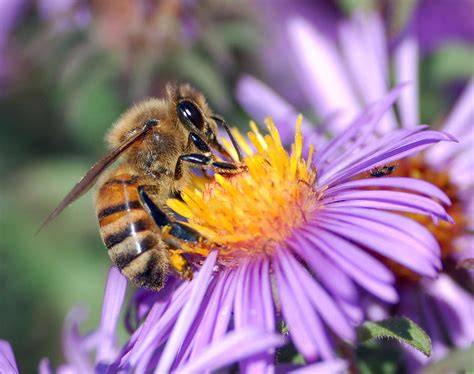
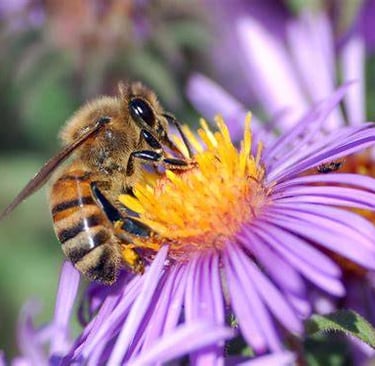
A connected chain of pollinator-friendly habitats describes a pollinator pathway. These pathways are restored areas of land with the purpose of supplying food or shelter to hummingbirds, bees, butterflies, and other pollinators.
Dedicated habitats for pollinators in suburban and urban areas is becoming increasingly important. Pollinator pathways allow these species to safely survive in urban areas - without them habitat fragmentation poses a significant risk to the population of pollinators. Habitat fragmentation is becoming an outstanding problem alongside the growth of the urban sprawl.
Urban and land development disrupts wildlife corridors which makes migration and surviving extremely difficult for animals and pollinators.
Why Pollinators Matter
The role of bees, butterflies, hummingbirds, and other pollinators in food systems and ecosystems is very important. The reproduction of plants and yielding of crops is possible due to pollination. The US Fish and Wildlife Service claims "one out of every three bites of food we consume" is dependent on pollinators as they pollinate about 35% of our crops including nuts, fruits and vegetables. They go onto state that "pollinators also pollinate other plants and contribute to ecosystem biodiversity, aid plant growth, prevent soil erosion, increase carbon sequestration, and improve water quality."
Without pollinators, we are left with reduced crop yields, lower quality soil and water, and of course the disruption in plant reproduction. Pollinators work is not only essential for plant and human life, but also animals, decomposers, and the ecosystems that depend on those plants. Bees, butterflies, bats, hummingbirds, and other pollinators are the backbone of life on Earth; protecting them protects our food and life.
Designing Your own Pollinator Pathway
Pollinators are responsible for producing about a third of the food we eat and the health of the ecosystem. To fight against threats to pollinators, design your own pollinator pathway, or habitat for pollinators!
Here is a simple checklist to start your design
Essentials
Choose native plants (if flowering, they should ideally bloom in varying times throughout the year)
These plants should provide nectar and pollen
Avoid using pesticides, herbicides, fertilizers, and other chemicals in the habitat
Provide water sources for the pollinators
Provide areas where the pollinators can take shelter
Design
Should be designed to connect fragmented habitats
Avoid objects or barriers that may block the movement of pollinators
Additionally, think of ways that you can tie or encourage the community to learn more or create their own pollinator pathway. The idea behind pollinator pathways is to connect fragmented habitats and landscapes - meaning the more people who are aware, curious, and may want to create their own, the better!
Pathways in Action
The survival of pollinators depends on the choices we make. Whether you're just starting out or have an already established sustainable garden, or supporting local efforts like the Trans-California Pathway, your actions matter. Start helping pollinators thrive today by designing and establishing your own pollinator pathway and become part of a movement that fights to preserve biodiversity and ecosystems.
If you have started a pollinator pathway, planted native species, or helped out to enhance the pollination population in your community, I invite you to share your progress with me by clicking here.
Check out these resources to help you get started:
Rethink Your Yard | Pollinator Pathway: A complete, beginner-friendly guide to transform your yard into a sustainable habitat for pollinators providing sustainable gardening tips.
Native Plants by State - Find Natives Near You! - Native Backyards: This website identifies native plants in your state
Calscape Garden Planner: Tool to plan and design gardens based on goals (for pollinators, birds, etc) and California native plant species.
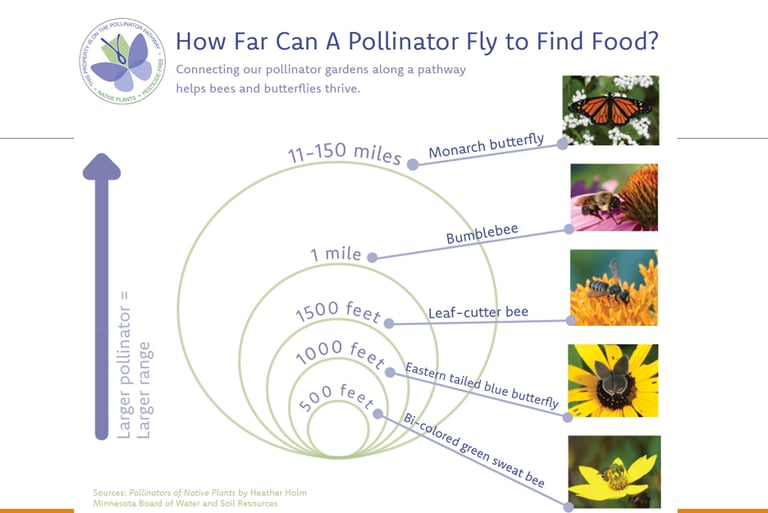
(Holm and Minnesota Board of Water and Soil Resources)
The Concept of Ecological Corridors
Ecological corridors are designed to protect the population of pollinators by reconnected fragemnted habitats. The purpose of these corridors is to connect habitats to support safe, easy migration and make it easier for species to survive. There four main components of ecological corridors which are as follows: core habitat areas, corridor types, supporting landscape features, and functional goals.
These components work together to address issues that make migration difficult. As OneEarth explains, "wildlife has many reasons to travel across landscapes and between large, protected havens. Daily movements, seasonal migrations, shifting habitats, escaping natural ecosystem disturbances, or the need to adapt to climate change are all possible." Yet, migration is increasingly challenged by urban development. Fences, buildings, roads, and other infrastructure can block movements, create habitat fragmentation and even cause injury - whether it's an mammals movement blocked by a wooden fence or a bird colliding with a large building.
Ecological corridors work to amend this difficulty by connecting habitats and supporting safer migration and movement. These corridors allow pollinators, and animals, travel safer distances for mating, finding food, or taking shelter; however, as previously mentioned, there are different types of ecological corridors which include riparian corridors, green infrastructure corridors, steppingstone habitats, and linear corridors.
Community and Individual-Led Solutions
Under the linear corridor type falls pollinator pathways; these pathways aim to support the movement of pollinators throughout fragmented landscapes. The goal of the pathway if to provide a connected, safe migration routes that allow pollinators to efficiently take shelter, find food, water, and mates. By ensuring the basic needs of pollinators are available, pollinator pathways can increase productivity and help sustain life in an ecosystem.
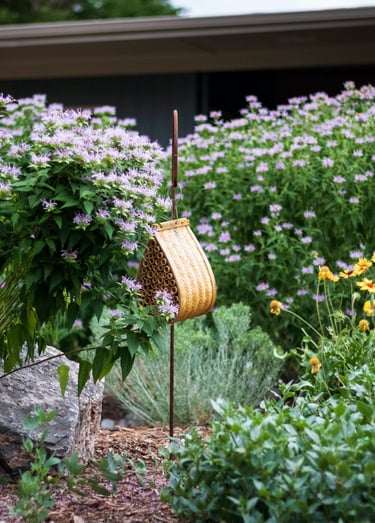
Native plant gardens in the community, schools, or in households and pollinator-friendly yards, balconies, and porches are a few simple examples of the forms that pollinator pathways take. They can also take form of enhancements in public parks, such as native shrubbery growing around or on fences.
A great example of a pollinator pathway in Turlock, California is the CSU Stanislaus's Trans-California Pathway (TCP). Though not deemed an official pollinator pathway, this pathway can be considered an example as it features native plant species and provides water and shelter for pollinators; it serves to bridge the gap between urban areas and sustainable habitats.

Works Cited:
Holm, Heather, and Minnesota Board of Water and Soil Resources. How Far Can a Pollinator Fly to Find Food? Pollinators of Native Plants, Minnesota Board of Water and Soil Resources, https://bwsr.state.mn.us/pollinator-resources. Accessed 28 Oct. 2025.
One Earth. “Connectivity: Ecological Corridors Are Key to Protecting Biodiversity.” One Earth, 10 Mar. 2021, https://www.oneearth.org/connectivity-ecological-corridors-are-key-to-protecting-biodiversity. Accessed 28 Oct. 2025.
U.S. Fish & Wildlife Service. Pollinators Benefit Agriculture. U.S. Department of the Interior, https://www.fws.gov/initiative/pollinators/pollinators-benefit-agriculture. Accessed 28 Oct. 2025.
Mission
To reconnect with nature, and—with curiosity and love—live closer to a more sustainable and connected world.
Connect
© 2025. All rights reserved.