
Noticing, Acting, and Belonging: The Early Stages of Stewardship
Stewardship looks like everyday choices, but they are actions that preserve ecosystems. Read to find out what it means to be steward and what early stewardship looks like.
COMMUNITY ENGAGEMENT
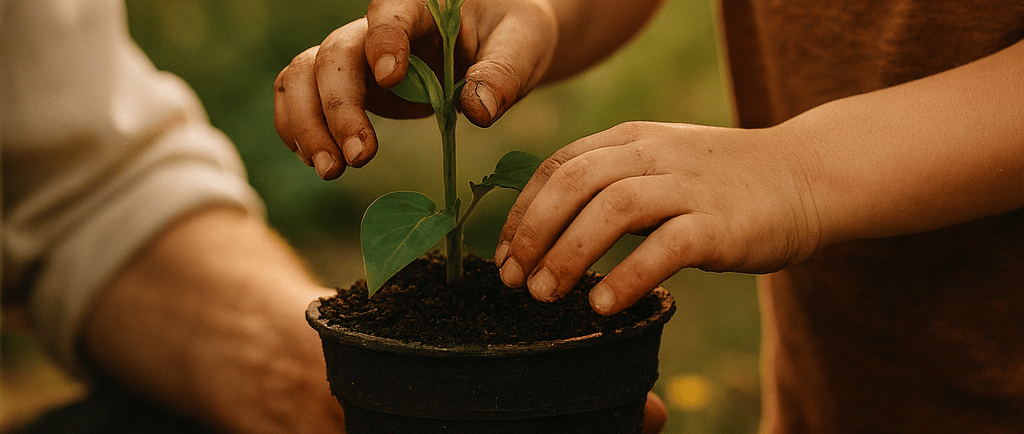
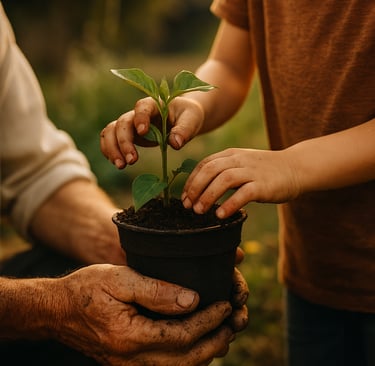
Beginning the Journey
Stewardship begins with noticing - a spark of curiosity or concern. Ecosystems sustain all the life around us- recognizing the important of biodiversity, ecological services, habitats, and human impacts builds awareness that we play a crucial role in the longevity and health of our ecosystems.
Deciding to care for the land is when stewardship really starts to kick off. The heart of stewardship is building a connection and ethical commitment to the land, water and species by understanding the sensitivity of Earth's ecosystems, habitats, and the intricate relationships that sustain life.
Whether its restoration, protection, or advocacy, stewards understand that action emerges from awareness. With that, no action is too little, and no reward is too small - small actions like unplugging a cord before leaving the house carries an effect that ripples outward. The core of stewardship begins with small efforts and curiosity, growing through ongoing understanding and intentional action.
What Is Stewardship, Really?
Being a steward is more than just being an 'environmentalist' - it's about the ongoing process of being responsible for something that we do not necessarily own. It's different from controlling something or managing something because stewardship is not always about the outcomes. Sometimes, it is just about taking accountability for one's actions, caring and advocating even if results are uncertain.
Stewardship ensues a long-term commitment that holds reciprocity and humility. This commitment can be shared with other people. Stewardship when practiced in collaboration benefits ecosystems, communities, and future generations. To explore how relationships form and create positive rippling effects, click here to read my article on the Interdependent Web, where I unpack what it means to be part of stewardship in a community setting.
The Role of Community in Early Stewardship
A huge benefit of being part of an interdepend web, is that interdependence strengthens early efforts of environmental stewardship. Creating ties and connecting with others adds an extra, reinforcing layer to the pre-established accountability.
Joining local groups, seeking mentors, and sharing knowledge with others fortifies a sense of belonging and strengthens personal connection to the land. The popular phrase "it takes a village" can apply here, and words both ways - stewardship strengthens communities and communities strengthen stewardship.
Local groups strengthen early stewardship by deepening commitment, creating a sense of belonging, and provide space for shared learning and action. Local groups bring single stewards together which can create impact on a communal and local level, but when these actions are echoed, they can create global trends and patterns. Small and large-scale impacts are a great benefit to stewardship, and in this interdependent web, every role matters - what role will you choose to hold?
Recognizing Your Place in the Web
We all play a role in this web. The role that you choose to play is up to you. Remember stewardship starts with noticing and from there we start a process that is ongoing and relational. Nothing begins with being an expert, including stewardship. Stewardship takes time, practice, and understanding, and there is a lot to understand when it comes to this big planet we live on called Earth.
Whether it is through daily practices or participating in a community, each person plays a role how the Earth is shaped. What footprint will you leave on the world? Check my ecological footprint:


Simple Steps to Begin Stewardship
Join a local group
Learn more about local ecosystems
challenges, native plants, habit loss, biodiversity
Share knowledge with others
Notice surroundings and their relationship with each other
Reflect and adapt on your ways of living
An easy way to reflect on how sustainable your habits are is by taking the ecological footprint quiz
Mission
To reconnect with nature, and—with curiosity and love—live closer to a more sustainable and connected world.
Connect
© 2025. All rights reserved.